Waitangi Day 2026
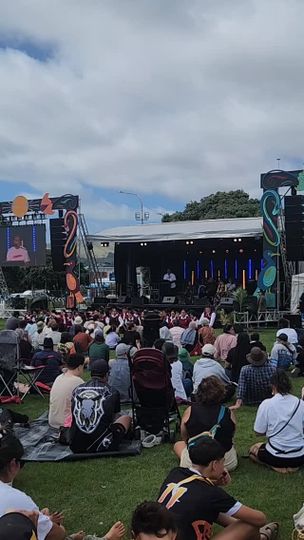
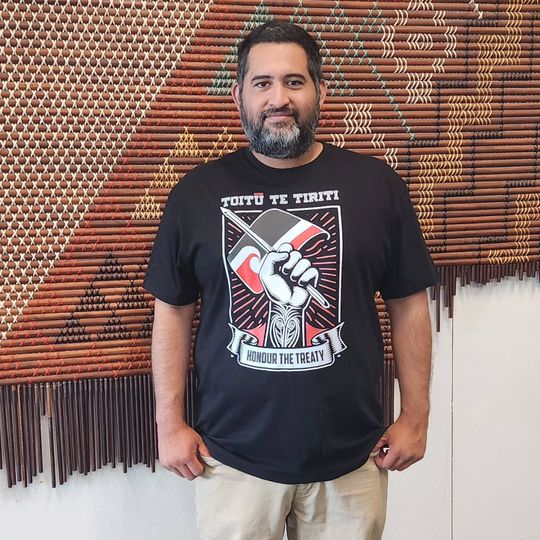
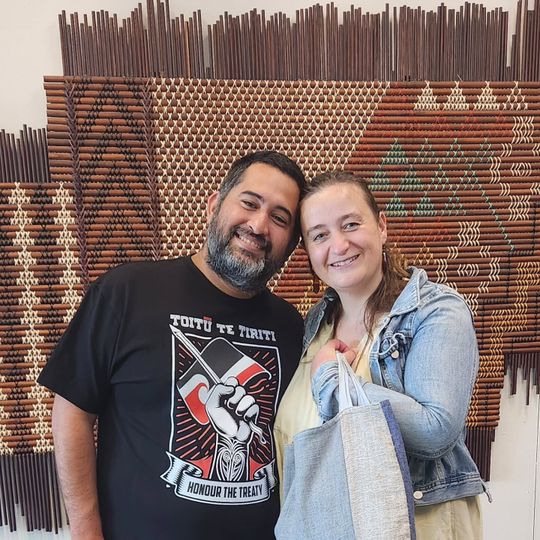
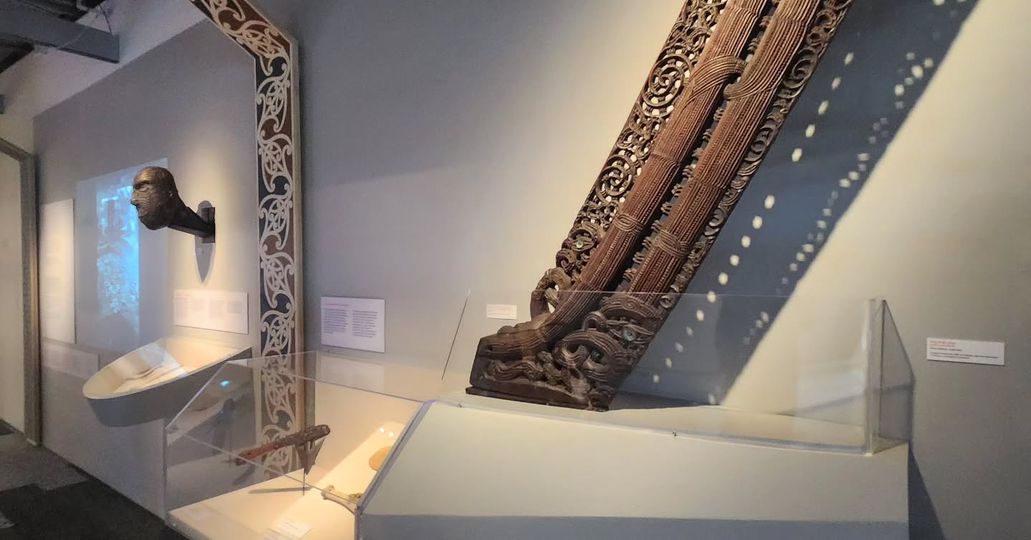
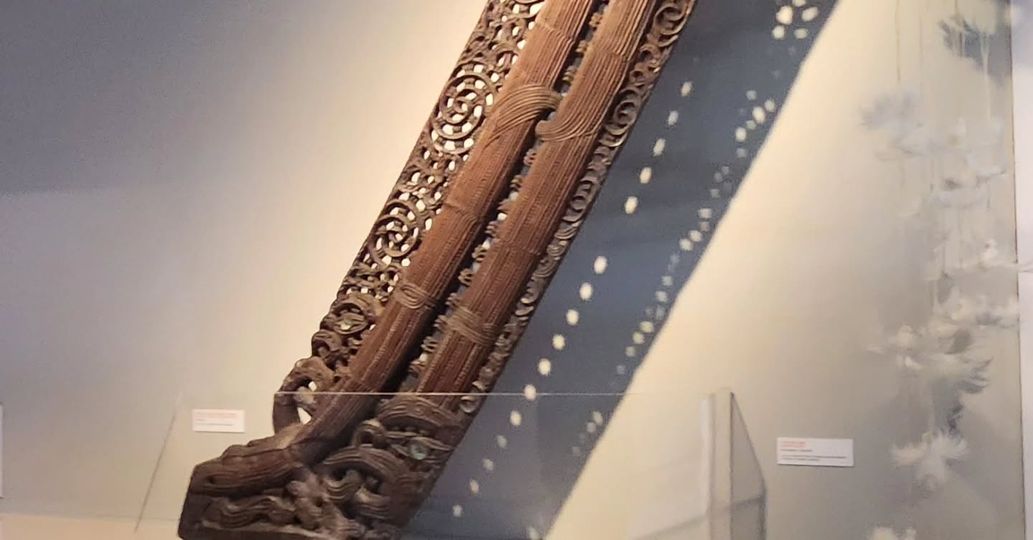
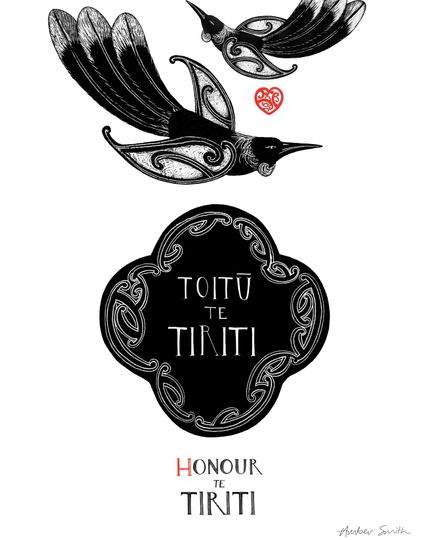
On 6 February, Aotearoa marks the signing of Te Tiriti o Waitangi in 1840, when representatives of the British Crown and more than 500 rangatira Māori signed one of our founding documents. Waitangi Day has been a public holiday since 1974. The rangatira who signed Te Tiriti did not cede their sovereignty to the Crown. Officials wanted a treaty that would extend the Crown's jurisdiction only to British subjects, and for five years after the signing, hapū sovereignty remained intact. Since then, the Crown has repeatedly failed to uphold Te Tiriti. Non-Māori of all cultures, backgrounds and ethnicities are Tangata Tiriti: people who belong in Aotearoa by right of Te Tiriti o Waitangi. Te Tiriti is an invitation for Tangata Tiriti to belong in this land, as long as Te Tiriti is honoured. On this day, we encourage Tangata Tiriti, including the many communities who make Aotearoa home and whose roots lie outside the country, to learn about and reflect on breaches of Te Tiriti, and to support Tangata Whenua (Māori). Now more than ever, honour Te Tiriti. Photos: Kaumātua (elder) Dr Taku Parai opening Waitangi Day in Porirua, and "Mutumutu ki Mukukai: Freshwater to Saltwater", on Ngāti Toa Rangatira's connected waterways, at @patakaartmuseum. Art by @ambersmith.nz Learn more: www.waitangitribunal.govt.nz/en/publications/education/tow-past-and-present